
US Vice President Heads to Pakistan for Direct Talks with Iran as Islamabad Mediates Peace Effort
High-stakes diplomacy unfolds in Pakistan's capital as Washington sends its second-highest official to sit across from Tehran's envoys, raising hopes for a breakthrough after weeks of escalating military tension across the Middle East.
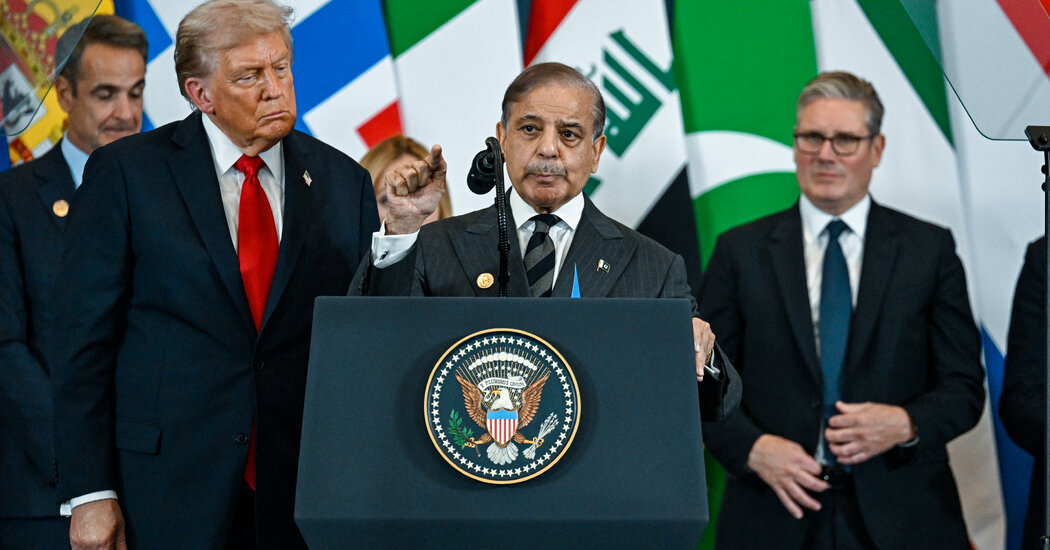
ISLAMABAD – In a significant diplomatic development, the Vice President of the United States is scheduled to arrive in Islamabad, Pakistan, for direct face-to-face negotiations with Iranian officials. Pakistan is acting as the mediator in these high-level talks aimed at de-escalating the ongoing Middle East conflict.
The unexpected move comes as the fragile US-Iran ceasefire enters its third day, threatened by continued Israeli military operations in Lebanon and Iran's blockade of the Strait of Hormuz.
Who – The Parties Involved
The American delegation will be led by US Vice President JD Vance, marking one of the highest-level direct engagements between Washington and Tehran in recent years. Vance's presence signals the seriousness with which the US administration views the current crisis.
On the Iranian side, sources indicate that senior diplomats from the Ministry of Foreign Affairs, possibly including Deputy Foreign Minister Saeed Khatibzadeh, will attend the negotiations. The exact composition of the Iranian delegation has not been officially confirmed.
Pakistan is represented by its own diplomatic corps, with Prime Minister Shehbaz Sharif's office overseeing the mediation effort.
What – Key Issues to Be Discussed
The talks are expected to focus on three main issues.
First, the scope of the existing ceasefire. Iran insists that any truce must include a halt to Israeli operations in Lebanon. The US position remains that the Lebanon front is a separate conflict.
Second, the reopening of the Strait of Hormuz. Approximately 300 to 400 oil tankers remain trapped in the Persian Gulf after Iran reimposed transit restrictions. Washington wants the strait fully reopened immediately.
Third, a potential long-term framework for de-escalation, including discussions about sanctions relief and Iran's regional activities.
Where – The Negotiation Venue
The negotiations will take place in Islamabad, Pakistan's capital city. Specific venues have not been disclosed for security reasons, but diplomatic sources suggest the talks will be held at a government guest house under tight security.
When – The Timeline
Vice President Vance is scheduled to arrive in Islamabad later today, according to diplomatic sources familiar with the travel arrangements. The direct talks with Iranian officials are expected to begin immediately upon his arrival.
The negotiations come at a critical juncture, as the existing two-week ceasefire between the US and Iran was brokered by Pakistan just days ago. That agreement remains fragile.
Why – The Urgency Behind the Talks
The urgency for direct talks stems from the rapidly deteriorating situation across the Middle East.
On Wednesday alone, Israeli airstrikes in Lebanon killed 254 people, making it the deadliest day since the conflict began. Iran has threatened to withdraw from the existing ceasefire if Israeli operations continue.
Meanwhile, the economic impact is spreading globally. Oil prices remain volatile, and Asian economies heavily dependent on Gulf energy supplies are vatching nervously.
Pakistan's role as mediator is particularly significant given its unique diplomatic relationships with both the United States and Iran. Islamabad has maintained channels to both capitals even during periods of tension.
How – The Negotiation Process
The format of the talks remains fluid. Sources indicate that the discussions may involve direct bilateral sessions between the US and Iranian delegations, as well as trilateral meetings with Pakistani mediators.
Pakistan's diplomatic corps is expected to shuttle between the two delegations if direct engagement proves difficult. However, the fact that both sides have agreed to face-to-face talks rather than proxy negotiations is already being seen as a positive signal.
A senior Pakistani diplomatic official, speaking on condition of anonymity, told Asia Economy Times: "Both parties have expressed a genuine willingness to de-escalate. The atmosphere is serious. But the gaps remain significant, particularly regarding Lebanon."
International Reactions
The European Union has welcomed the upcoming talks. A spokesperson for the European External Action Service called the development "an encouraging step toward diplomacy rather than further bloodshed."
China and Russia, both permanent members of the UN Security Council, have also expressed support for Pakistan's mediation efforts.
Remaining Challenges
Despite the optimism surrounding the direct talks, significant obstacles remain. Israel has made it clear that its military operations in Lebanon will continue regardless of US-Iran negotiations. Iranian leaders have stated that they cannot accept a deal that excludes Lebanon.
Analysts suggest that the best possible outcome from the Islamabad talks may be an extension of the current two-week ceasefire, rather than a comprehensive peace agreement.
What Happens If Negotiations Fail?
If the direct talks fail to produce progress, the consequences could be severe. Iran has warned that it may walk away from the existing ceasefire entirely. Such a move would likely lead to the full reimposition of the Strait of Hormuz blockade, triggering a sharp spike in global oil prices.
Market analysts predict that crude oil could surge past $100 per barrel within days of a diplomatic collapse, reigniting global inflation and putting pressure on central banks worldwide.