
Attorney General's Office Recalls Karo District Prosecutor and Team to Jakarta: A Firm Move Amidst Amsal Sitepu Acquittal Controversy
Internal examination by the AGO into the handling of a village profile video corruption case in Karo highlights procedural gaps and public pressure. What are the implications for legal reform in the regions?
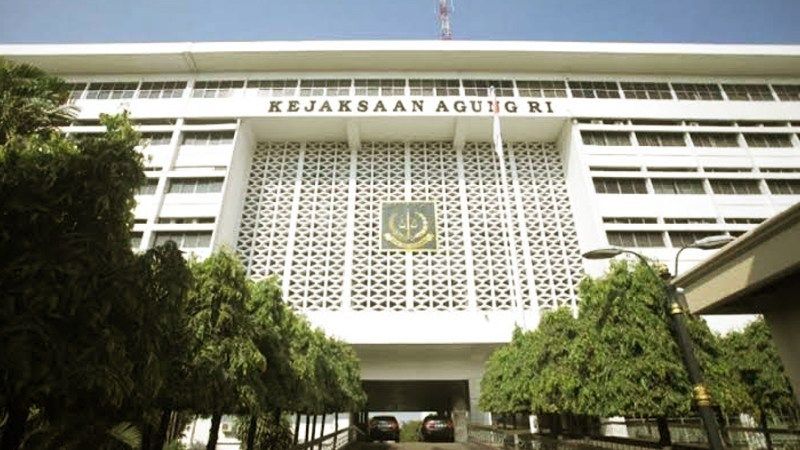
JAKARTA – The Attorney General's Office (AGO) has taken a dramatic step by recalling the Head of the Karo District Prosecutor's Office, Dante Rajagukguk, along with all prosecutors handling the Amsal Sitepu corruption case, to Jakarta. They are currently being "secured" by AGO intelligence for clarification and internal examination. This move is a direct response to the controversy surrounding the acquittal handed down by the court to Amsal Sitepu—a defendant previously sentenced to 2 years in prison by Karo prosecutors.
The Head of the AGO's Legal Information Center, Anang Supriatna, confirmed the move. "It is true that they have been secured by the Attorney General's intelligence team," he said. He added that the internal team will clarify whether the handling of the case was professional or not.
Not Merely a Routine Examination
What makes this move unusual is the use of the word "secured" by the intelligence team, rather than merely "summoned" or "requested for questioning." This signals serious concern from AGO leadership regarding potential obstruction, loss of evidence, or even flight risk. In Indonesian legal practice, the term "secured" is rarely used for law enforcement officers themselves—except when the level of suspicion is very high.
The Karo District Prosecutor and his team were brought to Jakarta without prior official summons. This is a preventive action that also sends a strong signal to all prosecutors across Indonesia: zero tolerance for alleged procedural violations that lead to controversial verdicts.
The Root of the Problem: An Acquittal That Undermines Prosecutorial Authority
The case originated from the Karo prosecutor's demand against Amsal Sitepu in a corruption case involving the production of a village profile video in Karo Regency. Prosecutors sought a 2-year prison sentence. However, the panel of judges instead acquitted Amsal Sitepu—a verdict that implicitly states that the prosecutor's indictment was completely unproven.
An acquittal is the "most painful wound" for a prosecutor. Professionally, an acquittal indicates a fatal weakness in the case construction, whether in evidence, application of articles, or witness credibility. If this acquittal was caused by prosecutorial negligence or even intent, it constitutes a serious ethical violation.
House Commission III had previously summoned the Karo District Prosecutor on Thursday (April 2) for an explanation. This political pressure appears to have forced the AGO to act quickly—not only to salvage the institution's reputation but also to prevent further legislative intervention.
Examination: The Final Path to Restore Trust
The AGO has promised to conduct a thorough examination of the case handling process. The examination is an internal mechanism to check whether standard operating procedures (SOPs) have been followed. In this context, the examination team will investigate:
1. The alignment of evidence with the prosecutor's demands
2. The credibility of witnesses and experts presented
3. Whether any out-of-court communication occurred between prosecutors and judges
4. Compliance with detention deadlines and case file submissions
If violations are found, Anang Supriatna emphasized that "internal ethical action" will be taken. Sanctions could range from written warnings, transfers to remote areas, or even dishonorable discharge.
Implications for Legal Reform in the Regions
The Karo District Prosecutor case reveals that the problem of corruption within law enforcement institutions is not limited to the police or judges, but also within the prosecutor's office. Ironically, the prosecutor's office is supposed to be the frontline in the fight against corruption.
The AGO's firm step of recalling the entire prosecutor team to Jakarta sends a dual message:
· Positive: The AGO is unafraid to clean its own house.
· Negative: Oversight of district prosecutor's offices has been weak, so cases like this only come to light after an acquittal and parliamentary pressure.
In the long term, the AGO needs to reform its multi-tiered supervision system. Relying solely on an internal inspectorate that rarely conducts field visits is insufficient. There is a need for a real-time monitoring mechanism for potentially sensitive cases, such as those involving regional officials or public budgets.
Conclusion
The recall of the Karo District Prosecutor and their team to the AGO is a bold step worthy of appreciation. However, this is only the beginning. The public awaits the results of the clarification and examination. If ethical violations are proven, sanctions must be imposed transparently. Conversely, if the prosecutors turn out to have worked professionally and the acquittal was solely due to differing judicial considerations, the AGO must explain this openly so that prosecutorial authority does not collapse in vain.
Asia Economia Times will continue to monitor this case as a benchmark for the AGO's commitment to bureaucratic reform and internal anti-corruption efforts.
Reference & Metadata
Title: Attorney General's Office Recalls Karo District Prosecutor and Team to Jakarta: A Firm Move Amidst Amsal Sitepu Acquittal Controversy
Excerpt: An Asia Economia Times analysis by M. Rizqie Priyadi on the AGO's dramatic move to recall the Karo District Prosecutor and team to Jakarta following the Amsal Sitepu acquittal. Examining procedural gaps, examination mechanisms, and implications for regional legal reform.